Home Maintenance Tune-Up: The Quarterly Punch List We Wish Every Homeowner Ran
By Brandon Mayernik · June 12, 2026
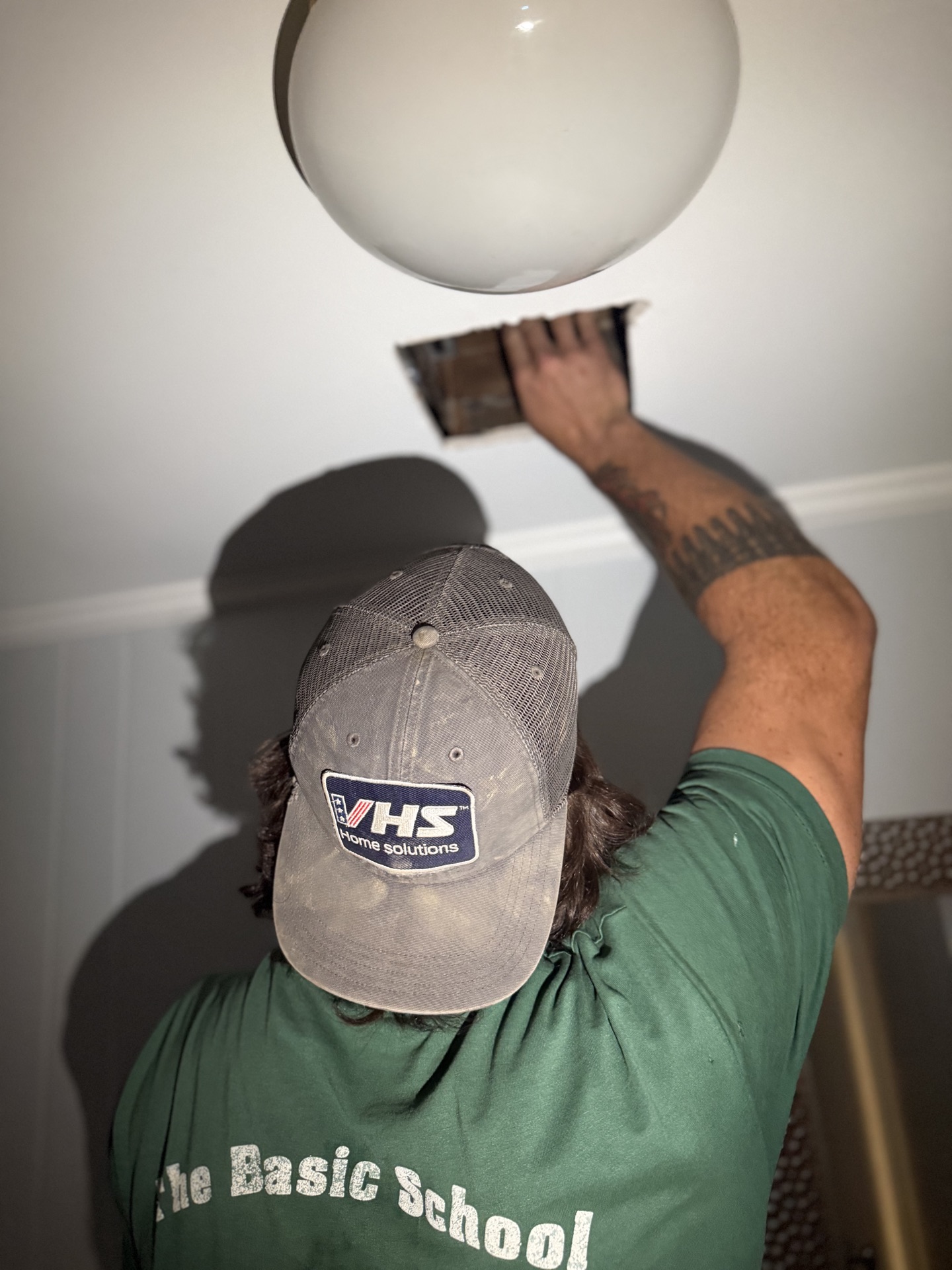
The most expensive jobs I ever run aren't the big remodels — they're the ones where something small went unnoticed for two years.
A piece of cracked caulk in a guest bath that nobody used becomes a vanity replacement and a subfloor patch. A weatherstrip that pulled loose on a back door becomes $300 a month in extra heating bills. A smoke detector that quietly stopped working becomes the worst phone call a family can get. A CO detector at the 8-year mark that's reading "low" when the battery is fine — that one keeps me up at night.
Every one of those is preventable with a quarterly tune-up. Think of it as the annual physical for your house, except you run it four times a year instead of once. It's the easiest half-day in the world and probably the highest peace-of-mind return on any handyman dollar you'll spend.
Here's the punch list we run.
The Standing List (Every Visit)
Some items get checked every quarter, no matter the season:
- Smoke detectors. Push the test button on every alarm. Swap the battery if it's been a year (or if the detector is hardwired with a backup battery, swap the backup). If the detector itself is older than 10 years, replace the whole unit — they expire.
- CO detectors. Same test routine, but watch the lifespan: most CO detectors are good for 7 years, not 10. The unit will usually beep or display "END" when it's done. People assume it's a battery. It's not.
- HVAC filters. Pull and replace. Write the date on the new filter with a Sharpie so you actually know when it went in. MERV 8–11 is the sweet spot for most NoVA homes; higher than that and you start choking the airflow on older systems.
- Caulking inspection. Walk every wet area — kitchen sink, bathroom tubs and showers, vanity backsplashes, around toilets, and around exterior window sills. Look for cracks, gaps, mold staining, or pull-aways. Re-caulk anything that's failed.
- Lightbulbs. Walk the house, hit every switch, replace the ones that are out. If any incandescents or CFLs are still in there, upgrade to LED — the energy savings pay for the bulbs in under a year.
- Switch and outlet plates. The painted-over, cracked, or yellowed ones. New plates are a couple dollars each and they make a room look ten years younger.
- Weatherstripping. Run a hand around every exterior door. If you feel air, the strip is shot. Same for the bottom sweep on the door. Cheap to replace, big impact on heating and cooling bills.
- Attic ladder. Pull it down, listen for grinding, lubricate the hinges with a dry silicone spray. Five minutes; saves the spring.
- Garage door. Disconnect the opener, lift the door manually. It should glide. If it slams down or feels heavy, the springs are out of balance and need adjustment.
That's the constant list. Every quarter, every house, doesn't change.
The Seasonal Layer
On top of the standing list, each season has a few items specific to what's coming next:
| Season | Add to the punch list |
|---|---|
| Spring | Re-caulk anything the winter cracked. Re-grout problem tile lines. Check window/door weatherstrip after the freeze cycles. Replace HVAC filter before the AC kicks on. |
| Summer | Set ceiling fan direction (counterclockwise, top of the blade leading). Deep-clean range hood filter. Refresh patio door tracks. Check exterior caulk on south-facing windows where UV is brutal. |
| Fall | Reverse ceiling fans (clockwise on low). Replace weatherstrip on exterior doors. Inspect chimney damper. Test the heat early — before the first cold snap, not during it. |
| Winter | Smoke and CO detector replacements (batteries pull harder in cold). Re-caulk shower lines where the dry indoor air opens micro-cracks. Lubricate door hinges that have stiffened up. |
The pattern: get ahead of the season, not behind it. The week before the first frost is the worst time to discover your weatherstripping is shot.
Real Visits
Some recent Northern Virginia tune-up calls:
- Stafford townhouse, quarterly visit. Three smoke detectors swapped (all past 10 years), two CO detectors swapped, six HVAC filters across three zones, 11 LED bulb retrofits, caulk reset in two bathrooms. Half-day. Customer travels for work and wanted the house "buttoned up" before a two-month trip.
- Burke single-family, spring visit. Re-caulk around four exterior windows where the south-facing trim had cracked, weatherstrip swap on two exterior doors, HVAC filter change, garage door balance check (out of adjustment — referred to a garage door tech). Half-day.
- Lake Ridge condo, fall visit. Ceiling fan direction reversal on three fans, smoke detector + CO detector full sweep, weatherstrip refresh on patio door, caulk reset around primary bath toilet base where it had let go. Half-day plus a small cabinet door re-hang while we were there.
- Vienna empty-nester, annual. Whole-house LED retrofit (28 bulbs), attic ladder lube, every switch plate replaced (29 plates), caulk reset in the powder room and primary bath. Pushed into full-day because of the plate count.
Notice none of these are big jobs. They're small jobs done well, all at once, by someone who brings the right parts in the truck.
Who This Is Really For
Tune-ups are the highest-value service we offer for two groups of people:
- Customers who travel. If you're gone for weeks or months at a time, a serviced house when you come home is worth more than any single repair. We can run the punch list before you leave or while you're gone.
- Customers who own a rental or second home. Quarterly tune-ups on a rental are cheaper than a single emergency call when a smoke detector chirps for three weeks straight and the tenant gives up on you.
- Customers who just don't want to think about it. A lot of people don't want a hobby called "maintaining my own house." That's fair. Set a quarterly visit, hand us the punch list, get on with your life.
The Block
Almost every quarterly tune-up is a half-day. Two to four hours on-site, depending on the house size and how long it's been since the last visit. A first-ever tune-up on a 10-year-old house is sometimes a full-day, because we're catching up on a decade of items that have quietly aged out — every smoke detector at end-of-life, every weatherstrip dry-rotted, every caulk line cracked.
After the first visit, it's almost always a half-day from then on.
If a tune-up uncovers something bigger — say, two rooms that really need a full repaint, or a bathroom where the caulk is failing because the surround itself is at end of life — we'll flag it and you can decide whether to roll it into a Refresh or address it later.
Send the List (or Let Us Build One)
If you've never run a quarterly tune-up before, you don't need to write the list yourself. Tell us the house, the age, and what you can think of off the top of your head. We'll fill in the rest from the standing list above.
Send it through the Handyman Day Request form. We'll get your house buttoned up before the next season — and the one after that.
Picture your finished room
Walk through your room, your style, and what stays or goes. We come back with a personalized plan and quote within 24 hours — no pressure, no obligation.
Start the Refresh DesignerReady to Get Started?
Get a free, no-obligation quote for your project. We typically respond within the hour.